





How chimneys and flues work
A chimney and flue is a structure, also referred to as a chimney stack, often part of a building, sometimes separate or installed as an additional element or self-supporting tube (can be just referred to just as a flue, such as a gas flue). The hollow void within the brick, stone, concrete, metal, or prefabricated chimney is technically referred to as the flue. The flue connects to a combustible heat source, such as the combustion of gas in a gas boiler or solid fuel used in open fireplaces, wood-burning stoves, and biomass boilers.
The chimney in combination with the flue, removes exhaust fumes, or smoke, from the place of combustion, and away from the internal spaces being heated. It draws pollutants through a wall to the structure at the side of the building or running up through the roof into the upper air surrounding the building, and into the atmosphere. In many cases, a cap, cowl, wind cowl or just two leaning slates, located on top of the chimney prevents wind from blowing downward, which can hinder the exhausts from leaving the chimney.
Today the term chimney might be used to describe its role in other tasks that help service a buildings, often relating to ventilation such: A solar chimney (or thermal chimney) is design feature that supports passive climate design by using the suns heat to warm air at the top of a void, thus drawing it from the building and drawing fresh air in at low levels. A ventilation chimney is usually a small stack with a vent to help extract stale air from a building either passively or with the assistance of a fan. In some cases a wind cowl has been used to help pull air from a building, and exchanging its heat with incoming fresh air, prewarming it and reducing heating costs.
Because historically most buildings had chimneys and fireplaces were of the heart of many a home life, they often became architectural features throughout different eras such as Romanesque, Tudor and French Renaissance architecture. Some famous expressive chimneys might be those on the buildings of Antonio Gaudi in Barcelona, or the English, Thornbury castle, with ornate carved decorative brick symmetrical chimneys, or the Chateau of Chambord, famed for having 365 differently sculpted chimneys or one of the earliest examples, as well as the 12th-century abbey of Henry II at Fontevrault, where fireplaces merge to create a sculpted roof connecting some 20, pointed stone chimneys.
Chimneys function because hot air rises, so the hot exhaust gases create a pressure difference between the flue inside the chimney and the room. This pressure difference causes the fire to draw (or create a draft), which means warm air is pulled up through the chimney, drawing or pulling air from a vent or the room to feed the combustion (requiring oxygen), which then heats and is pulled up the chimney along with the exhaust gases in a continual cycle as the fire burns. Controlling the level of fuel and the rate at which oxygen is fed to the fire helps control the rate and temperature of combustion.
The warm exhausts from a chimney rise upwards until cooling, at which point the pollutants within the exhaust spread out, gradually mix with the air, and become part of the atmosphere. At relatively low levels, the pollutants from chimneys and flues are diluted by the surrounding air and become less harmful, though increased concentrations are problematic, and extreme levels can cause smog. Smog is a low-level dense cloud caused by high levels of pollutants in the air. Smog occurs when water vapour 'sticks' to the particulates released by burning fuel, in particular standard coal. This reduces visibility and can cause health issues for those exposed at the ground level.
Featured articles
Check out some of the best features and news from Designing Buildings as well as key stories from around the web.
Building Safety Regulator, 19 August

Gill Kernick appointed Independent Chair of Residents’ Panel.
Connecting knowledge, technology and conservation
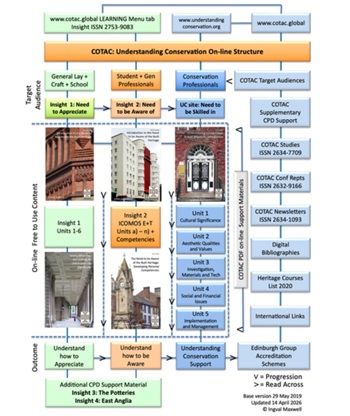
Building competence for the future of built heritage.
Building Regulations and Building Safety Act
CIOB publishes free advice for non-domestic clients.

Building Safety Newsletter from MHCLG.
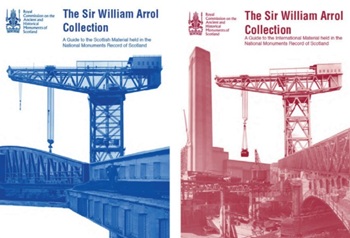
An extraordinary record of steel engineering worldwide.
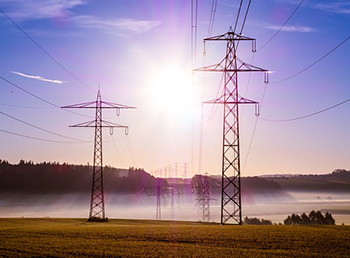
Households living near new pylons to save on bills.

ECA warns growth must not outpace grid capacity or skills.
The role of the client and decision making

CIOB response to built environment professions call for evidence.
Construction's sustainability reporting revolution
Tracking upfront embodied carbon with digital tools.
ECA welcomes procurement reforms

Public spending must back British jobs and skills.
Campaigning for Edinburgh: the Cockburn Association 1875-2049

The role of the civic voice in protecting character. Book review.
CIOB photography competition is open for entries.